Welcome to my website
Are you interested in open and 'truthful' discussion about suicide and mental health?
Meet Dr Rachel Gibbons
I am a psychiatrist, psychoanalyst, group analyst, organisational consultant and now probably a suicidologist
I have worked as a consultant psychiatrist in the NHS and in private practice, and have held national leadership roles at the Royal College of Psychiatrists. I am now Clinical Director of Making Families Count and Special Adviser to Maytree, a sanctuary for people in suicidal crisis.
For over fifteen years, I have been thinking about and researching the true nature of suicide, suicide bereavement, human destructiveness and psychodynamic psychiatry. My interest is in what psychoanalytic and psychodynamic thinking can bring to some of the most difficult questions in life.
I am currently thinking about, trying to understand, and in conversation about; open-hearted engagement with those in suicidal distress; the dangers of intimacy; the real nature of the clinician-patient relationship and the defensive processes we use as clinicians to deny our own vulnerability; the meaning of ligature use in inpatient settings; suicide bereavement more broadly; splitting in the suicidal state; and the psychodynamics of the coroner’s court.
I owe real gratitude to all of those who have engaged in these conversations with me over the years.
Have a read of some of my papers. You are welcome to read, disagree and get in touch.
16+ years
researching suicide and suicide bereavement
NHS · Private
consultant and national leadership roles
Three disciplines
psychiatrist, psychoanalyst, group analyst

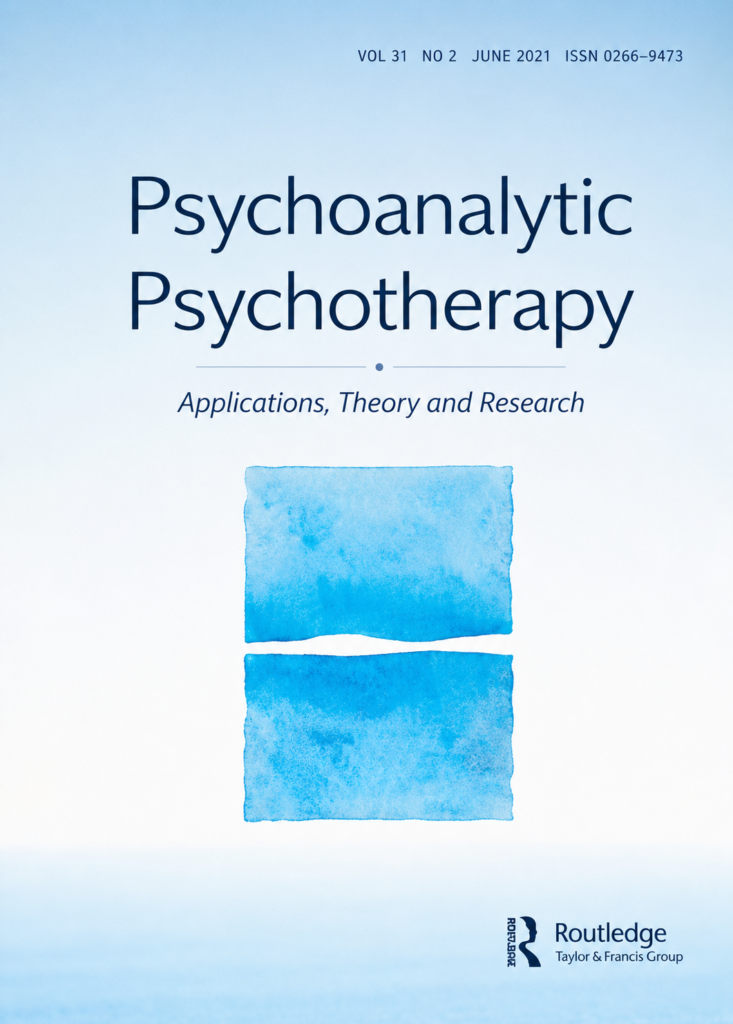
Featured Publication
The impossibility of working in the current NHS: sacrifice to a primitive god
The importance of mourning in life and death decisions.
This paper explores the current crisis in the NHS, focusing on the ‘impossible’ demands faced by staff and the underlying psychodynamic factors that perpetuate these challenges. It examines how idealisation of the NHS has fostered an unconscious dependency on a fantasy of omnipotent care, akin to an idealised love. Rising demand, workforce shortages, and financial pressures have exacerbated these unrealistic expectations, contributing to systemic dysfunction.
The most downloaded paper ever from the Journal Psychoanalytic Psychotherapy May 2025
Psychiatrist · Psychoanalyst · Group Analyst
Recent papers
Understanding the psychodynamics of bereavement anniversary reactions: a systematic review of the clinical case literature
Bereavement anniversary reactions, psychological, somatic, or behavioural responses triggered by dates associated with a significant loss, are frequently encountered in clinical practice but remain underexplored within psychodynamic frameworks. This systematic review aimed to identify and summarise published case studies describing anniversary reactions to bereavement and to assess whether these reports provide evidence relevant to psychoanalytic theory.
Research Article - Published online: 24 Sep 2025
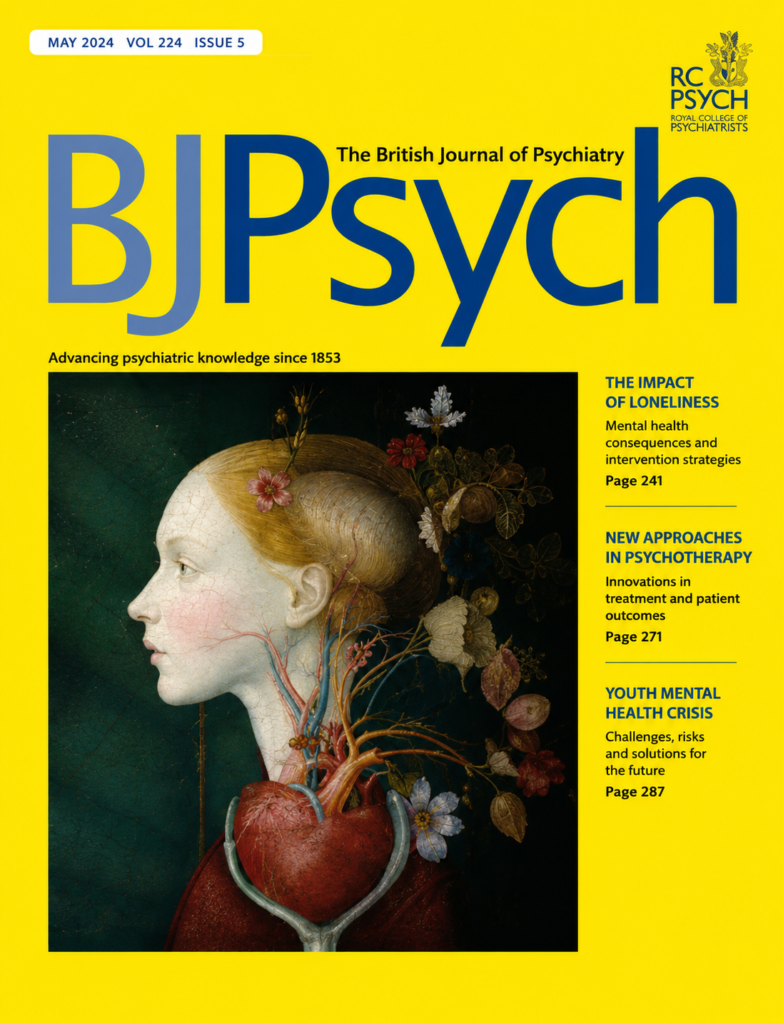
Assisted dying and countertransference: unconscious forces in life-and-death decisions
Assisted dying debates overlook the powerful unconscious forces that shape end-of-life decision-making. These dynamics influence personal, clinical and societal judgements and may be contributing to the rapid international expansion of assisted dying practices. Strengthening safeguards requires acknowledging these forces and integrating structured psychological assessment, clinician support and reflective practice to reduce unconscious bias and enhance the reliability, transparency and ethical integrity of decisions.
BJPsych February 2026
Preventing suicide vs assisting dying? Unravelling a clinical paradox.
The importance of mourning in life and death decisions.
In societies organized around an imperative of suicide prevention, the expansion of assisted-dying legislation presents a clinical and ethical paradox: on what basis is a wish for death considered pathological in one context and reasonable in another? This paper argues that assisted dying and suicide, though often treated as psychologically equivalent, represent fundamentally different psychic configurations. Psychological processes matter because misunderstanding them, and mistaking a suicidal act for an assisted death, may lead to serious harm to patients, families, clinicians, and the integrity of clinical safeguards.
The most downloaded paper ever from the Journal Psychoanalytic Psychotherapy May 2025
Featured Book
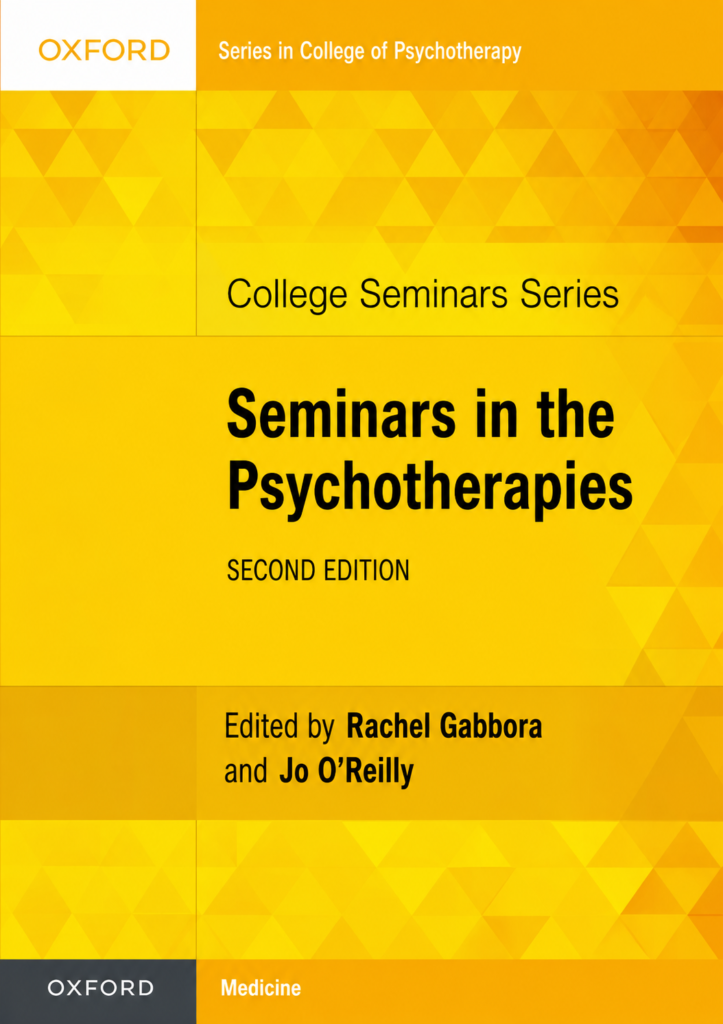
Seminars in the Psychotherapies
Second Edition
Edited by Rachel Gibbons and Jo O’Reilly
“It is a full and wide-ranging book that can be used for reference or quiet study… it also includes throughout its pages a rich seam of personal reflection, literary quotations, on-the-hoof clinical anecdotes and case studies that help bring things to life.”
The book ‘provides refreshing views of modern-day psychotherapy that are firmly rooted in principles psychoanalysis.’
Recommended Reads
Books I recommend
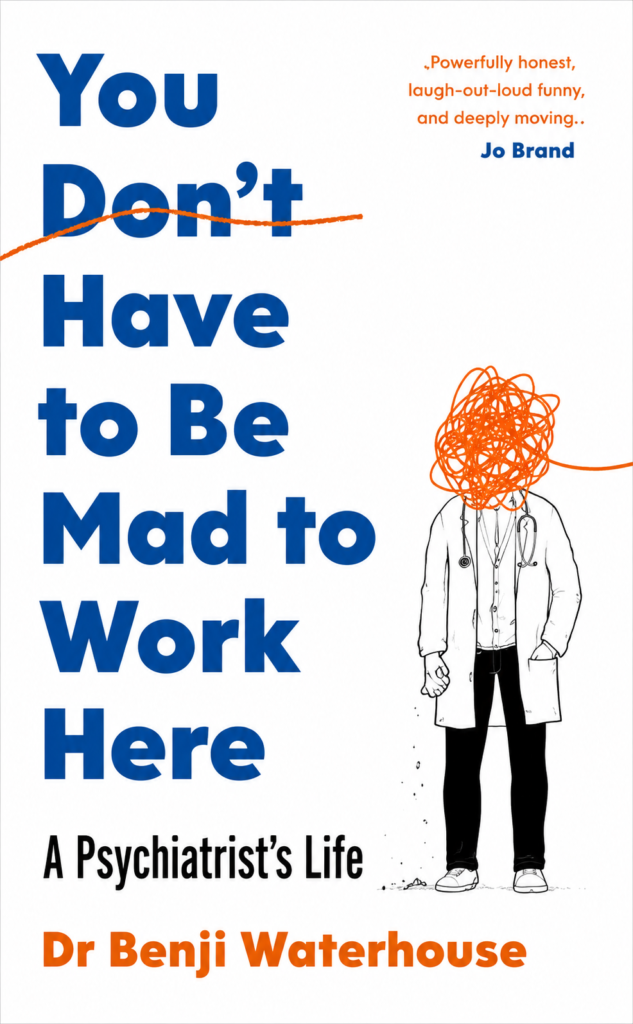
You don't have to be mad to work here
by Dr Benji Waterhouse
Humane, hilarious, and heart-breaking, You Don’t Have to Be Mad to Work Here is an enlightening and darkly comic window into the world of psychiatry.
Unlocking the doors to the psych ward, NHS psychiatrist Dr Benji Waterhouse provides a fly-on-the-padded-wall account of medicine’s most mysterious and controversial speciality.
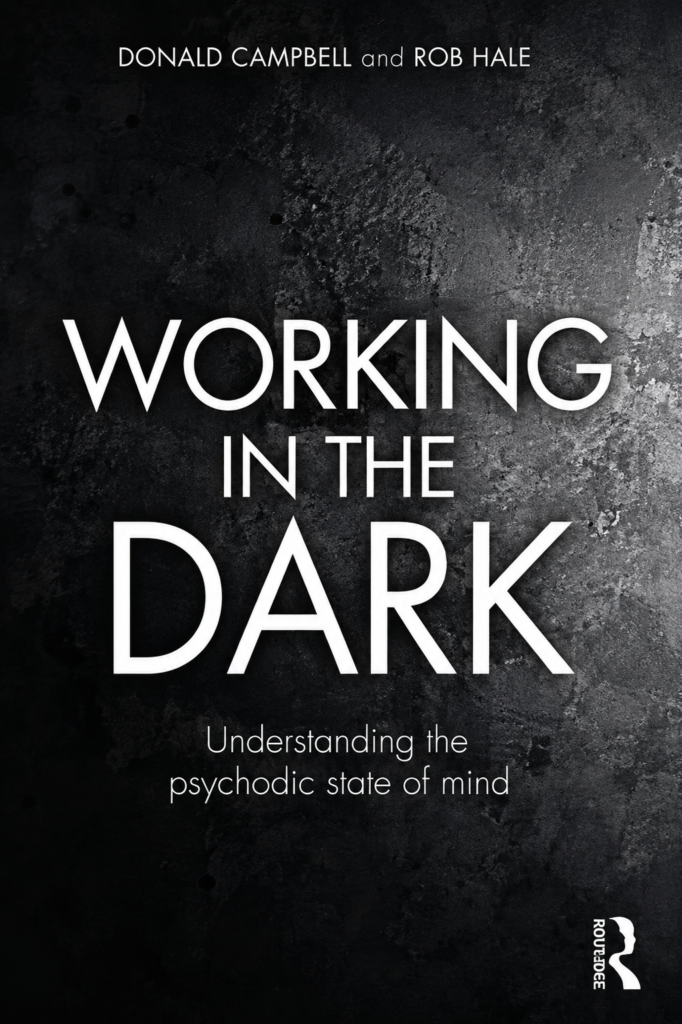
Working in the Dark
by Donald Campbell and Rob Hale
Working in the Dark focuses on the authors’ understanding of an individual’s pre-suicide state of mind, based on their work with many suicidal individuals, with special attention to those who attempted suicide while in treatment.
The book explores how to listen to a suicidal individual’s history, the nature of their primary relationships and their conscious and unconscious communications.