My Work
Click through to see all of the videos, podcasts and articles I’ve published online.
Papers, Journals, & Articles
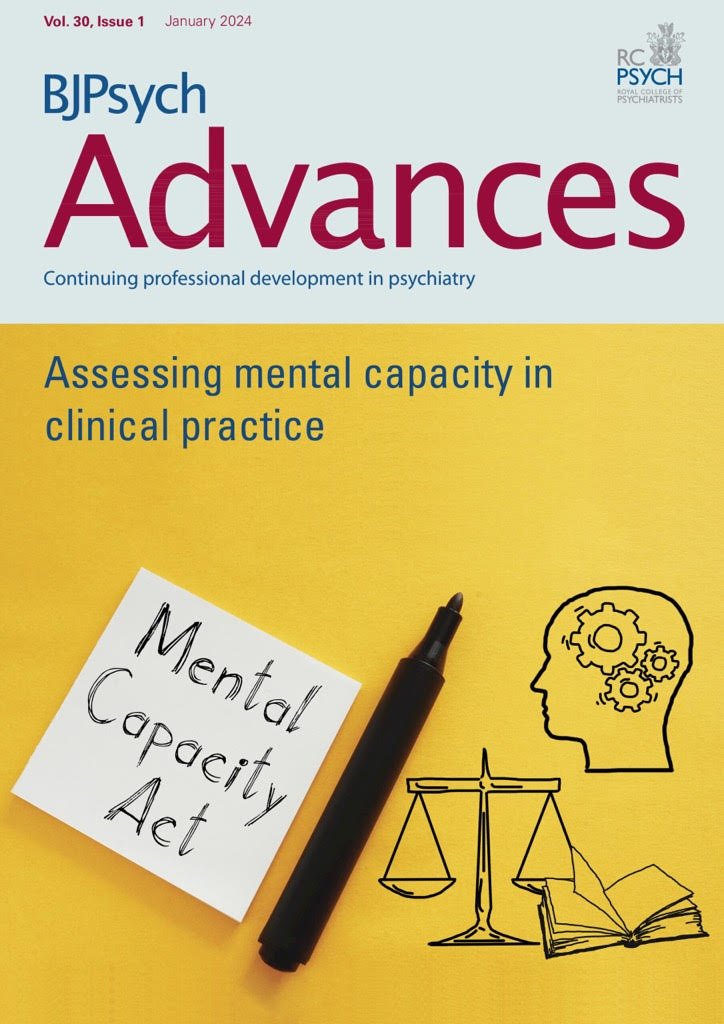
This article brings together the psychiatric and psychoanalytic views of mental illness to deepen the understanding of mental disorder. The intention is to bring to the fore the importance of loss and mourning in clinical practice. Looking for the loss event that underpins the disorder helps determine therapeutic treatment options and increases the chance of authentic therapeutic engagement and recovery.
BJPsych March 2023
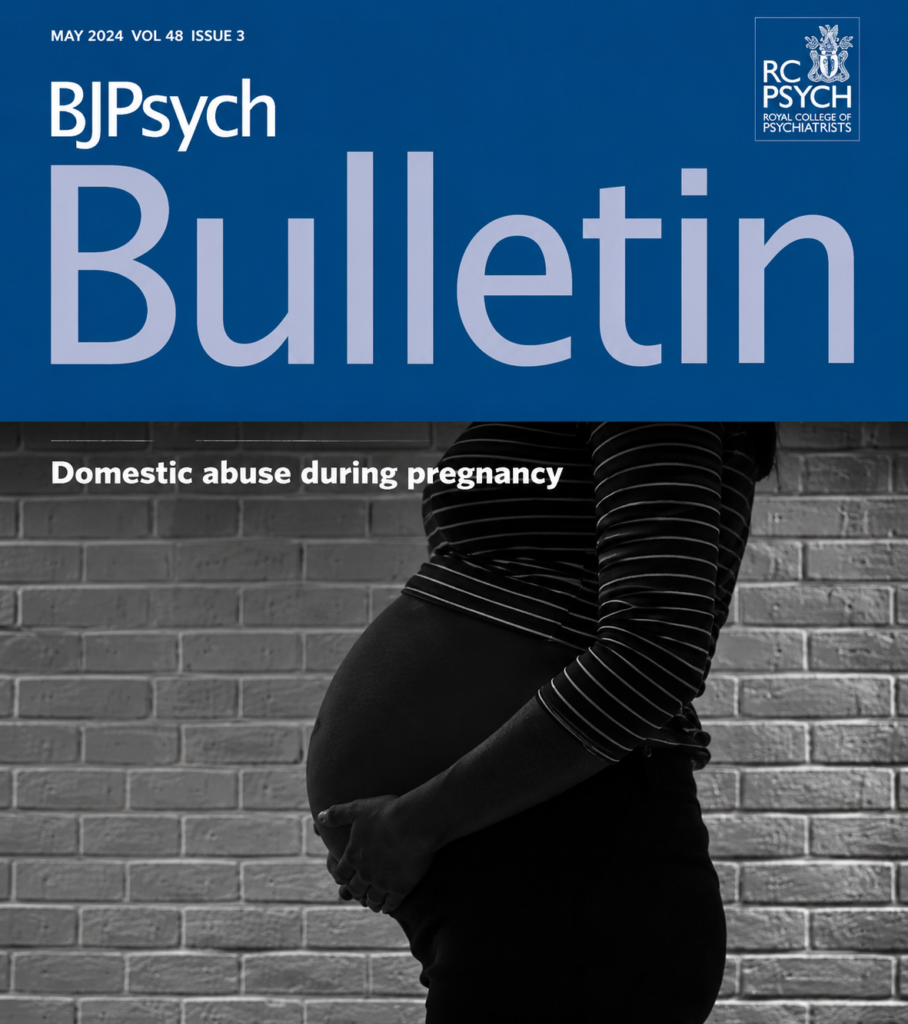
This paper advocates for a holistic approach to the menopause transition and challenges the current dominant narrative that frames this transition primarily in biological terms. It examines the psychological, social and cultural dimensions, addresses the stigma faced by older women and advocates for the vital role psychiatrists have to play in supporting postmenopausal women.
BJPsych March 2025
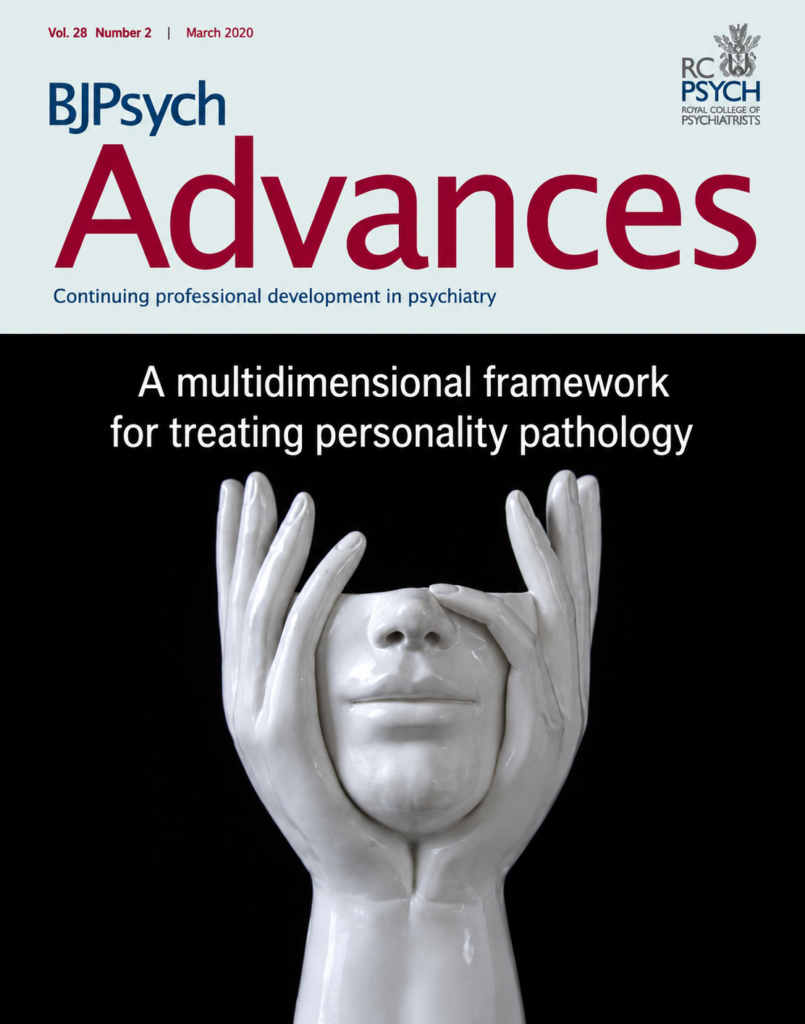
An examination of the complex phenomenon of self-harm, exploring its motivations, theoretical underpinnings and the intricate transference and countertransference reactions that arise in clinical settings. This paper won the Editors Choice Award BJPsych Advances 2025.
BJPsych November 2024
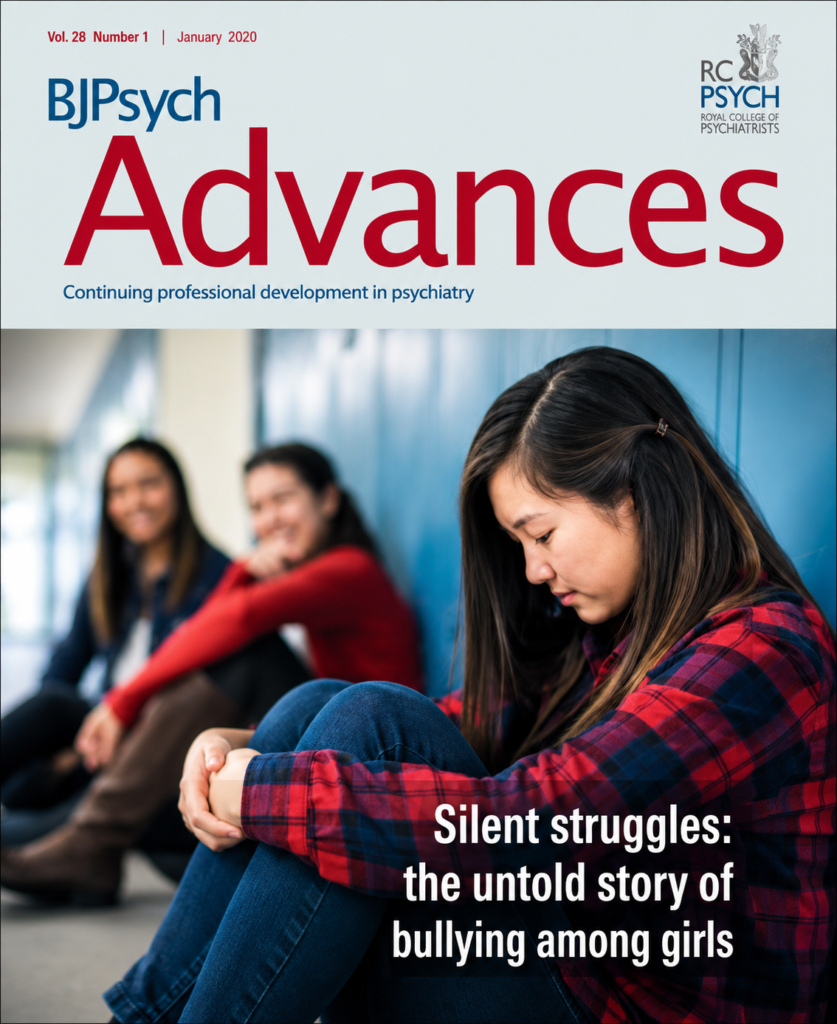
Clinical work with people who are seriously unwell and overwhelmed by psychotic functioning can be profoundly rewarding yet uniquely demanding. Beyond visible symptoms lie powerful unconscious forces that affect all involved. Drawing on psychoanalytic theory from Bion, Money-Kyrle, Menzies Lyth and Lucas, this article explores how psychotic processes such as splitting, projection, denial and rationalisation are transmitted to those providing care.
BJPsych January 2026
A prevention and postvention framework
More must be done to both recruit and retain psychiatrists if services are to be in place that effectively meet the needs of patients. That means the health and wellbeing of psychiatrists must be considered fully.
RCPsych December 2022
This paper explores scapegoating in healthcare not merely as an ethical or organisational failure, but as a deep-seated psychological and sociocultural process. It aims to illuminate how blame is mobilised as a primitive defence against psychic pain and systemic dysfunction, and to consider the implications for clinical practice, regulation, and public trust.
IJSP December 2025
Parity of esteem within the biopsychosocial model: is psychiatry still a psychological profession?
In recent years, the Royal College of Psychiatrists has been engaged in activities to ensure parity of esteem for mental health within the National Health Service, seeking to bring resources and services more in line with those available for physical health conditions.
BJPsych Bulletin
A patient’s suicide can have a detrimental impact on the wellbeing of healthcare staff and future patient care, says Rachel Gibbons
After hearing from hundreds of clinicians across healthcare about the profound impact that the death of one of their patients by suicide had on them, I decided to work with colleagues to understand the scale of the problem.
BMJ
Dr Rachel Gibbons joins Dr Oliver Gale-Grant to discuss the recent BJPsych Advances article “The mourning process and its importance in mental illness: a psychoanalytic understanding of psychiatric diagnosis and classification”.
I spoke to Dr Paula Redmond about my personal experience of surviving patient suicide and the work I’ve done to understand suicide and homicide; its impact on healthcare staff; and what helps.
In this conversation, Dr. Rachel Gibbons, David Jones and Dr Naomi Murphy discuss the complexities surrounding assisted dying, its implications, and the cultural shifts in attitudes towards death. The dialogue explores the differences between assisted dying and suicide, the role of palliative care, and the emotional landscape of dying, particularly in light of the pandemic.
This presentation summarises themes that have emerged from 14 years of study of suicide and working with those bereaved. It is based on a talk given in many clinical settings over the past 10 years. I describes my own emotional journey following impactful deaths and summarises personal ‘Truths’ about suicide that have emerged over time.
Prof David Mosse is a bereaved father having lost his son to suicide in 2010 and Dr Rachel Gibbons is a clinician, who has been working on suicide since losing several patients around the same time. They have been working together over the last 8-9 year and will have a discussion about what they have, and are, ‘truly’ learning.
This webinar will focus on the purpose of Coroners preventing future deaths reports, how they impact on psychiatrists and mental health services and what are the opportunities going forward to improve their effectiveness.
To lose someone close to us by suicide impacts our mind profoundly. The impact comes from different aspects of the death. In this presentation I will discuss why this impact occurs, the destructive result and how this can be mitigated.
In this deeply honest and moving conversation, five people bereaved by suicide come together with clinicians and researchers to share their experiences of loss, grief, blame, and survival. Drawing from personal stories and professional insights, the group explores the complexity of grieving after suicide—the shock, the silence, the need to understand, and the long road toward finding meaning.